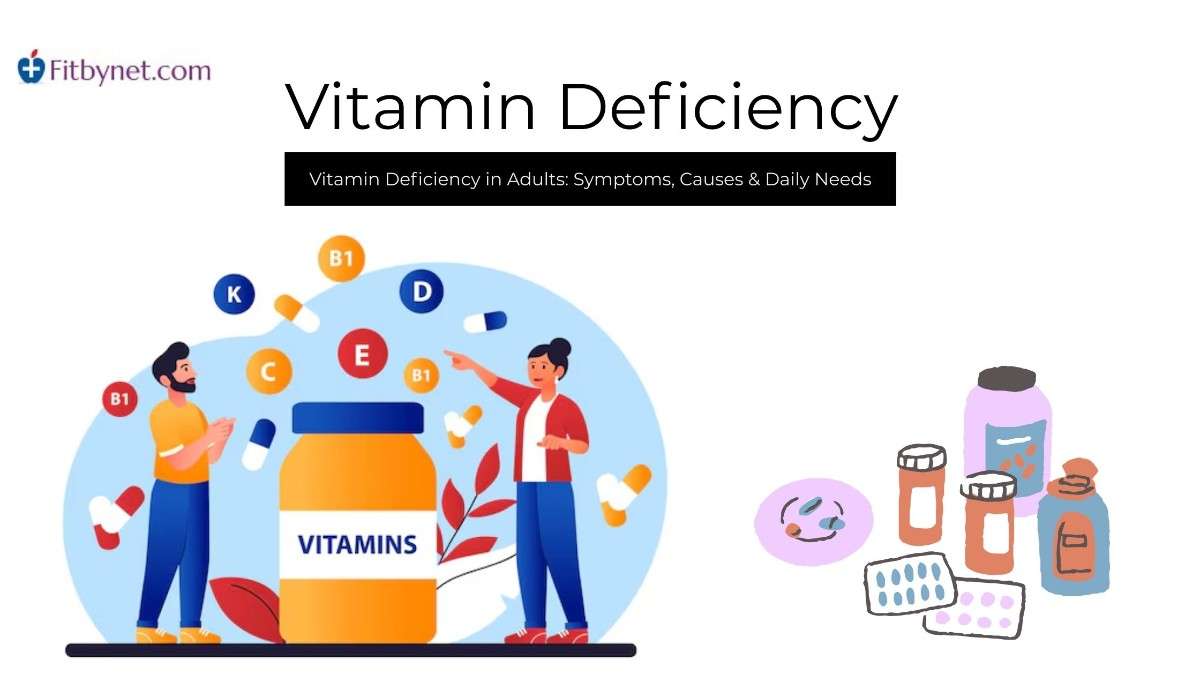
Vitamin deficiencies are no longer rare health concerns limited to specific age groups or regions. Today, vitamin deficiency in adults is increasingly common due to lifestyle changes, dietary habits, stress, and reduced nutrient absorption. Many symptoms appear mild initially and are often ignored, but over time, they can significantly impact immunity, metabolism, mental health, and overall quality of life.
Recognizing vitamin deficiency symptoms early enables timely correction through a balanced diet, supplementation, and medical guidance. This article outlines the most significant symptoms, underlying causes, daily vitamin requirements, and evidence-based approaches to prevention and management.
Why Vitamins Are Essential for Adult Health
Vitamins are organic compounds required in small amounts but play a critical role in:
- Energy production
- Immune system regulation
- Bone and muscle health
- Brain and nervous system function
- Skin, hair, and eye health
Unlike macronutrients such as carbohydrates or proteins, the body cannot produce most vitamins on its own. Regular intake through food or supplements is necessary to maintain optimal health.
Common Vitamin Deficiency Symptoms in Adults
Persistent Fatigue and Reduced Stamina
Chronic tiredness that does not improve with rest is one of the most frequently reported deficiency symptoms. It is commonly linked to:
These vitamins are essential for red blood cell formation and cellular energy metabolism. Prolonged deficiency can lead to weakness, dizziness, and reduced physical performance.
Frequent Illness and Low Immunity
Recurring infections, slow recovery from illness, or frequent colds may indicate low immunity vitamin deficiency.
Key immune-supporting vitamins include:
- Vitamin C (antioxidant and immune cell support)
- Vitamin D (immune regulation and inflammation control)
- Vitamin A (mucosal and respiratory defense)
Low levels weaken the body’s natural defense mechanisms, making adults more susceptible to viral and bacterial infections.
Hair Fall, Skin Changes, and Nail Problems
Hair thinning, brittle nails, and dull or dry skin are often associated with deficiencies in:
- Biotin (Vitamin B7)
- Vitamin E
- Vitamin A
These vitamins contribute to cellular repair, collagen production, and protection against oxidative stress. Deficiency symptoms often develop gradually and are commonly misattributed to cosmetic or age-related issues.
Bone Pain, Joint Discomfort, and Muscle Weakness
Vitamin D deficiency is one of the most widespread deficiencies among adults. Symptoms may include:
- Lower back pain
- Joint stiffness
- Muscle cramps
- Increased risk of fractures
Vitamin D is essential for calcium absorption and bone mineralization. Long-term deficiency can contribute to osteoporosis and reduced mobility.
Neurological Symptoms and Mood Changes
Tingling sensations, numbness, memory issues, anxiety, or low mood may indicate deficiencies in:
These vitamins support nerve function and neurotransmitter synthesis. Deficiency can affect mental clarity, emotional stability, and cognitive performance.
Vision Issues and Night Blindness
Difficulty seeing in low-light conditions is a classic symptom of Vitamin A deficiency. Vitamin A is vital for retinal function and maintaining eye health. Severe deficiency may increase the risk of long-term visual impairment.
Causes of Vitamin Deficiency
Understanding the causes of vitamin deficiency is essential for effective prevention and treatment.
Common contributing factors include:
- Poor dietary diversity
- High consumption of processed foods
- Digestive disorders affecting absorption
- Chronic stress and inflammation
- Limited sun exposure
- Increased requirements during illness or aging
- Long-term medication use (antacids, antibiotics)
In many cases, deficiencies result from a combination of dietary insufficiency and reduced absorption rather than complete absence of nutrients.
Daily Vitamin Requirements for Adults
Meeting daily vitamin requirements for adults is essential for maintaining physiological balance. Requirements vary based on age, gender, health status, and activity level, but consistent intake is more important than occasional high doses.
Key considerations:
- Water-soluble vitamins (B-complex, Vitamin C) need daily replenishment
- Fat-soluble vitamins (A, D, E, K) require careful dosing to avoid excess
- Nutrient needs may increase during stress, illness, or recovery
Regular nutritional assessment can help identify gaps early.
Balanced Diet for Vitamins: The Foundation of Prevention
A balanced diet for vitamins remains the most effective long-term strategy for preventing deficiencies.
Recommended dietary sources include:
- Fruits and vegetables for Vitamin C, A, and antioxidants
- Whole grains and legumes for B-complex vitamins
- Dairy or fortified alternatives for Vitamin D and calcium
- Nuts and seeds for Vitamin E and essential fats
- Eggs and lean proteins for B12 and fat-soluble vitamins
Dietary diversity improves bioavailability and reduces reliance on supplements.
Role of Vitamin Supplements in Deficiency Management
Despite best efforts, diet alone may not always meet nutritional needs. In such cases, vitamin supplements for deficiency can be beneficial, especially when guided by medical evaluation.
Supplementation is commonly recommended when:
- Blood tests confirm deficiency
- Absorption is compromised
- Dietary intake is consistently inadequate
- Immune support is required
- Recovery from illness or surgery is ongoing
Choosing high-quality supplements with verified formulations is essential for safety and effectiveness.
Evidence-Based Supplement Selection
When selecting supplements:
- Prefer clinically tested formulations
- Avoid unnecessary megadoses
- Choose reputable platforms with transparent sourcing
Trusted providers such as Fitbynet offer access to verified vitamin supplements for deficiency, supporting adults in meeting daily nutritional needs safely and conveniently.
Conclusion
Vitamin deficiencies often develop silently but can significantly impact immunity, energy levels, mental health, and long-term well-being. Recognizing early symptoms, understanding the underlying causes, and meeting daily vitamin requirements for adults through a balanced diet and appropriate supplementation are essential steps toward preventive health.
With informed choices, expert guidance, and access to reliable supplements through platforms like Fitbynet, adults can effectively address vitamin deficiencies and maintain optimal nutritional balance.

 KERALA AYURVEDA Ayaskrithi syrup
1 × 120.90 ₹
KERALA AYURVEDA Ayaskrithi syrup
1 × 120.90 ₹ Ferium XT Tablet-Emcure Pharma
1 × 322.00 ₹
Ferium XT Tablet-Emcure Pharma
1 × 322.00 ₹ KERALA AYURVEDA Ayaskrithi syrup
  HIMALAYA Total Care Baby Pants XL
  HIMALAYA Wellness Acne-n-Pimple Cream PACK of 3
  Ferium XT Tablet-Emcure Pharma
  Morr 12.5% Solution_INTAS
  Elements Welness Thyhealth Liquid 200Ml for thyroid
  RADHIKA ENTERPRISES Kanchanar Guggul for thyroid
  VitaGreen GUGGUL for Cholesterol, Loose Weight, Immunity, 500 mg, 180 Capsules (Pack of 3) 100% Herbal for thyroid
  Palak Notes: Kids Chocolate Powder I Added Colostrum for Immunity I 100% Brown Sugar I Vitamins & Minerals from Vegetable, Fruits & Herbal Extracts I Kids Brain, Immunity & Health Formula: 400 mg for thyroid
  Oxyspray Nasal Spray_Zydus Cadila
  Palak Notes: LOW CARB Protein Shake Sweetened with Xylitol & Stevia Ashwagandha Garcinia Cambogia MCT Powder PROBIOTICS Keto Paleo (USA SOURCED) for thyroid
  Reeha Herbals Jinga Gold Capsules
  XXL Ultra Enlargement Gel_Medikalp Pharma
  Nadoxin Gel_WOCKHARDT
  Vasu Spark Royal Capsule
  Super power powder
  BAIDYANATH Pirrhoids Tablet
  Arsaquit capsule
  Lactolook Solution_Knoll