Women’s health is unique at every stage of life — from adolescence and pregnancy to menopause and beyond. One of the most important yet often overlooked aspects of bone health in women is maintaining adequate levels of calcium and vitamin D. These two nutrients work together to build strong bones, support muscle function, regulate hormones, and protect long-term health.
Despite their importance, studies show that vitamin D deficiency in women and low calcium intake are extremely common, especially in India. With changing lifestyles, limited sun exposure, and dietary gaps, many women are at higher risk of bone-related disorders such as osteopenia and osteoporosis.
In this detailed guide, we will explore why calcium and vitamin D for women are essential, how deficiencies affect the body, when to consider calcium supplements for women, and how to choose the best calcium tablets for women in India.
Understanding Calcium and Vitamin D
Calcium is a mineral that forms the structural foundation of bones and teeth. Nearly 99% of the body’s calcium is stored in bones. The remaining 1% plays a vital role in nerve transmission, muscle contraction, and blood clotting.
Vitamin D, on the other hand, helps the body absorb calcium effectively. Without adequate vitamin D, even a calcium-rich diet cannot support proper bone strength. This is why doctors often recommend calcium and vitamin D for women together rather than separately.
Think of calcium as the building block and vitamin D as the key that unlocks its absorption.
Why Women Need More Calcium and Vitamin D
Women experience significant hormonal changes throughout life. Estrogen, a hormone that protects bones, decreases after menopause. This drop accelerates bone loss, increasing the risk of fractures.
In India, women are particularly vulnerable to vitamin D deficiency due to limited sun exposure, indoor lifestyles, and cultural clothing practices. Additionally, many women consume less dairy and calcium-rich foods than recommended.
This makes bone health in women a critical concern, especially after the age of 30 when bone density naturally begins to decline.
Pregnant and breastfeeding women also require higher amounts of calcium to support fetal and infant development. If the mother’s intake is insufficient, the baby draws calcium from her bones, weakening them over time.
Signs of Vitamin D Deficiency in Women
Recognizing vitamin D deficiency in women is important because symptoms are often subtle. Many women experience fatigue, muscle weakness, body aches, and mood changes without realizing that low vitamin D could be the cause.
Chronic deficiency may lead to bone pain, increased fracture risk, and weakened immunity. In severe cases, it can contribute to osteoporosis and other metabolic disorders.
Routine blood testing is the only reliable way to confirm vitamin D levels. Doctors usually recommend supplementation if levels fall below optimal ranges.
The Impact on Bone Health in Women
Bone density reaches its peak in the late 20s. After that, gradual loss begins. For women, the most rapid bone loss occurs during the first few years after menopause.
Without adequate calcium and vitamin D for women, bones become porous and fragile. Osteoporosis is often called the “silent disease” because it develops without symptoms until a fracture occurs.
Hip fractures, spinal fractures, and wrist fractures are common consequences of poor bone health in women. These injuries can significantly affect mobility and independence, especially in later years.
Prevention is far easier and more effective than treatment. Maintaining optimal nutrient intake is one of the strongest defenses against bone loss.
Daily Requirements of Calcium and Vitamin D
The recommended dietary allowance varies by age and life stage.
Women aged 19–50 typically need around 1000 mg of calcium per day, while women above 50 may require 1200 mg daily. Vitamin D requirements usually range between 600–800 IU per day, though doctors may prescribe higher doses in cases of deficiency.
Since dietary intake alone may not always meet these requirements, many women turn to calcium supplements for women to bridge the gap.
Natural Sources of Calcium and Vitamin D
Before considering supplements, it is important to focus on natural food sources.
Dairy products such as milk, yogurt, and cheese are excellent sources of calcium. Leafy greens like spinach and kale also provide calcium, although absorption rates may vary.
Vitamin D is primarily obtained through sunlight exposure. Spending 15–20 minutes in morning sunlight can significantly improve vitamin D levels. Fatty fish, egg yolks, and fortified foods also contribute to vitamin D intake.
However, due to lifestyle constraints, many women still struggle to meet optimal levels through diet and sun exposure alone.
When to Consider Calcium Supplements for Women
Supplementation becomes necessary when dietary intake is insufficient or when blood tests confirm deficiency.
Women who are pregnant, breastfeeding, over 40, menopausal, or diagnosed with osteoporosis are commonly advised to take calcium supplements for women along with vitamin D.
It is important to choose supplements that combine calcium with vitamin D for better absorption. Consulting a healthcare professional before starting any supplement is recommended, especially for women with kidney issues or other medical conditions.
Choosing the Best Calcium Tablets for Women in India
The Indian market offers a wide range of options, but selecting the best calcium tablets for women in India requires attention to quality, dosage, and formulation.
Look for tablets that contain calcium carbonate or calcium citrate, along with vitamin D3. Some advanced formulations also include magnesium and zinc for additional bone support.
Reputable brands ensure proper testing and quality standards. Purchasing from trusted healthcare platforms such as FitByNet ensures authenticity and convenience.
Always check the dosage instructions and avoid exceeding recommended limits unless prescribed by a doctor.
The Link Between Hormones and Bone Health
Hormonal fluctuations significantly impact bone health in women. During menopause, estrogen levels decline, which accelerates calcium loss from bones.
Women with irregular menstrual cycles or certain hormonal disorders may also experience reduced bone density.
In such cases, a combination of medical evaluation, lifestyle modification, and proper calcium and vitamin D for women supplementation becomes essential for long-term health.
Lifestyle Tips to Improve Bone Strength
Nutrition is only one part of the equation. Weight-bearing exercises such as walking, yoga, and strength training help stimulate bone growth and improve density.
Avoiding excessive caffeine, quitting smoking, and limiting alcohol intake also contribute to stronger bones.
Maintaining a balanced diet rich in protein and essential minerals further enhances the effectiveness of calcium supplements for women.
Special Considerations for Indian Women
In India, cultural dietary patterns and limited fortified food consumption increase the risk of deficiencies. Vegetarian diets may sometimes lack adequate vitamin D sources.
Urban lifestyles reduce sun exposure, making vitamin D deficiency in women more prevalent.
Regular health check-ups, blood tests, and timely supplementation can prevent long-term complications.
Frequently Asked Questions About Calcium and Vitamin D for Women
Many women wonder whether supplements are safe for long-term use. When taken in recommended doses, calcium and vitamin D for women are generally safe and beneficial. However, excessive intake can lead to kidney stones or other complications.
Another common concern is whether supplements cause weight gain. Calcium and vitamin D do not directly cause weight gain. Instead, they support muscle function and metabolic balance.
Women also ask when to start supplementation. Ideally, women should focus on adequate intake from their early 20s to build strong bone reserves before natural bone loss begins.
Final Thoughts
Strong bones are the foundation of an active and independent life. For women, maintaining optimal levels of calcium and vitamin D is not optional — it is essential.
From preventing fractures to supporting hormonal balance, calcium and vitamin D for women play a powerful role in overall wellness.
If you suspect deficiency or are looking for reliable calcium supplements for women, consult your healthcare provider and choose high-quality products from trusted platforms like FitByNet.
Prioritizing bone health in women today ensures strength, mobility, and confidence for years to come.

 Vantej Toothpaste_Dr Reddy
2 × 189.00 ₹
Vantej Toothpaste_Dr Reddy
2 × 189.00 ₹ Evion Cream_Merck Ltd
1 × 236.00 ₹
Evion Cream_Merck Ltd
1 × 236.00 ₹ Zecyte 250 mg Tablet_CIPLA
1 × 27,075.00 ₹
Zecyte 250 mg Tablet_CIPLA
1 × 27,075.00 ₹ Vantej Toothpaste_Dr Reddy
  ORGANIC INDIA Amalaki Capsule
  Pepsodent Gumcare Toothpaste 150G
  KERALA AYURVEDA Jeerakarishtam syrup
  HIMALAYA Erina Coat Cleanser
  DOCTORS CHOICE Absorbent Cotton wool I.P. 400 gm
  Dr. Reckeweg R40 Diabetes Drop-Dr Reckeweg & Co
  Vaseline Intensive deep restore for skin care
  Evion Cream_Merck Ltd
 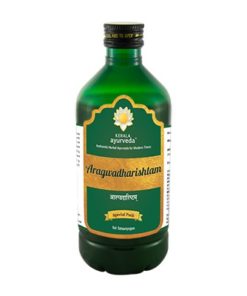 KERALA AYURVEDA Aragwadharishtam syrup
  Azalea Acne Face Wash_Apple Therapeutics
  VICCO Vajradanti Ayurvedic Paste
  Jumper JPD 100S Fetal Doppler
  GARDEN OF LIFE Probiotic Supplement for Men Dr Formulated Once Daily Mens for Digestive Health Shelf Stable 30 Capsules
  iHealth HS6 Body Fat Scale
  Abstet 250 mg Tablet_BIOCON
 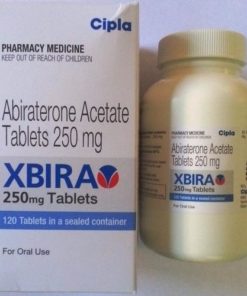 Xbira 250 mg Tablet_CIPLA
  Zecyte 250 mg Tablet_CIPLA
  Jakavi 5 mg Tablet_NOVARTIS INDIA
  Kamini Vidrawan Ras tablet_40 tablets
 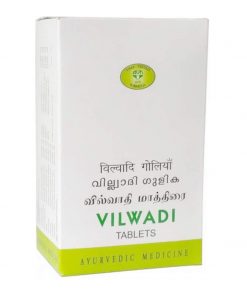 AVN VILWADI GULIKA TABLET